A successful safari in Rwanda isn’t just about the wildlife—it’s about being prepared. From what you wear to what you pack, the right choices ensure comfort, safety, and unforgettable memories for every member of your family. This guide highlights the essentials to help you make the most of your East African adventure.
Going on a safari in Rwanda is more than just a trip—it’s an adventure into some of the most breathtaking landscapes and wildlife experiences in East Africa. To make the most of it, preparation is key. From clothing to gear, every item you pack can make a difference in your comfort, safety, and ability to fully enjoy the wildlife around you. This guide goes deep into what to wear, what to pack, and how to prepare for your ultimate Rwandan safari adventure.
Neutral-Toned Clothing: Blend In with Nature
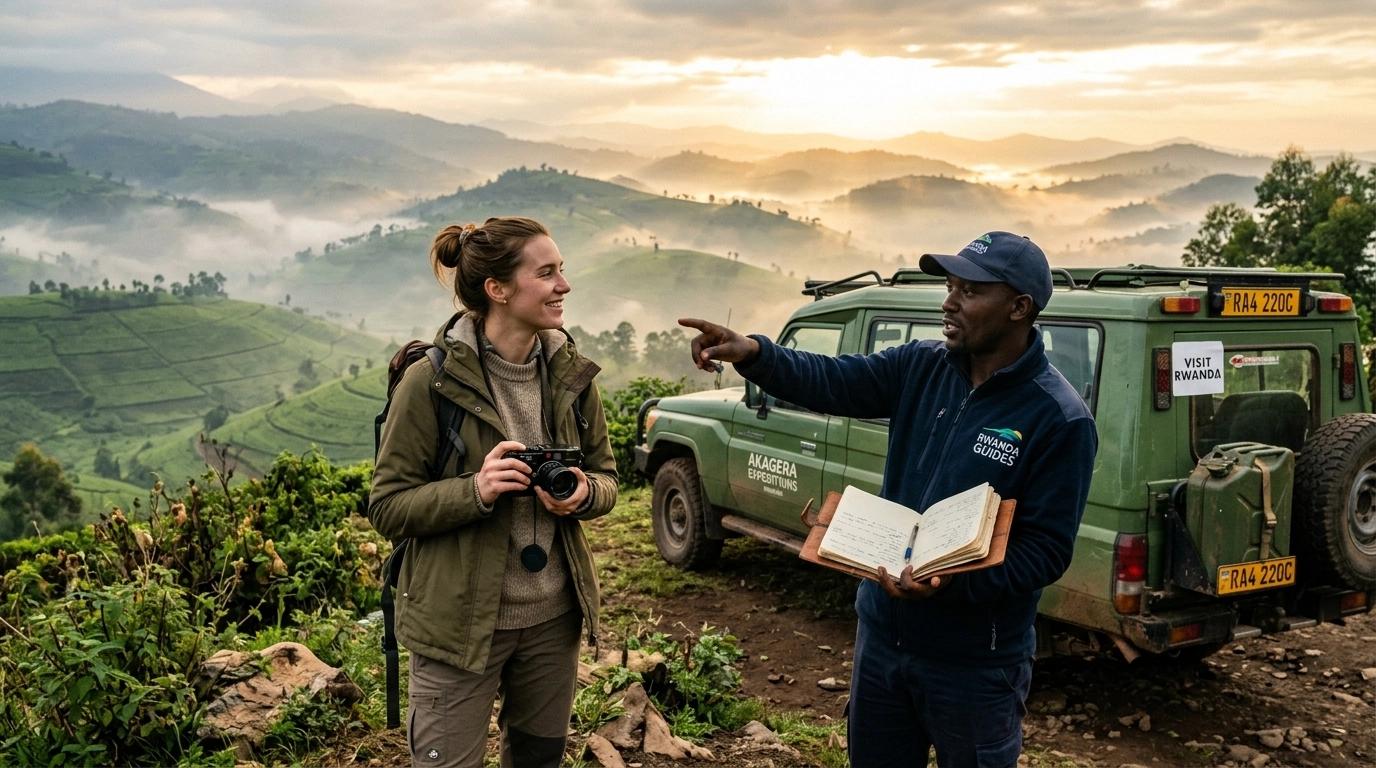
Neutral colors such as khaki, beige, and olive are essential for any safari. Bright colors can startle animals or make you stand out in photographs. Neutral tones help you blend into the environment, allowing you to observe wildlife without causing disturbance. For children, neutral clothing also makes it easier to spot them in the bush during game drives or forest walks.
Comfortable and Breathable Fabrics: Beat the African Heat
Safaris often take place under the hot African sun. Lightweight, breathable fabrics like cotton or linen help you stay cool while also allowing for flexibility and comfort during long drives or walks. Long-sleeved shirts and pants provide dual protection: they shield your skin from the sun’s harsh rays and protect against insect bites, especially mosquitoes in forested areas like Nyungwe or Volcanoes National Park.
Sturdy and Comfortable Footwear: Navigate Diverse Terrain
Safari terrain varies from dusty savannahs to forested paths. Closed-toe shoes, ideally sturdy hiking boots, are necessary for safety and comfort. A good pair prevents slips and supports your ankles on uneven ground. If trekking gorillas or golden monkeys, proper footwear becomes even more important as trails can be steep and muddy.
Wide-Brimmed Hat and Sunglasses: Shield Yourself from the Sun
The African sun can be intense, especially during mid-morning and early afternoon drives. A wide-brimmed hat provides shade for your face and neck, while sunglasses reduce glare and protect your eyes. For kids, hats with adjustable straps are ideal so they stay on during active days in the bush.
Weather-Appropriate Layers: Be Prepared for Temperature Changes
Rwanda’s landscape includes highlands and lowlands, which means temperature fluctuations throughout the day. Morning and evening drives can be chilly, while midday can be quite warm. Packing layers such as light jackets, long-sleeve shirts, and even thin thermal layers ensure you stay comfortable in all conditions.
Camera and Binoculars: Capture Every Moment
A safari is full of visual wonders—from grazing antelopes in Akagera National Park to gorillas in Volcanoes National Park. A camera with a zoom lens allows you to capture distant wildlife, while binoculars bring close details into view without disturbing the animals. Encourage children to bring kid-friendly cameras or binoculars; this makes the experience interactive and keeps them engaged in spotting wildlife.
Daypack: Carry Your Essentials with Ease
A small daypack is invaluable during game drives or short hikes. Carry essentials like water bottles, snacks, sunscreen, a camera, and perhaps a light rain jacket. The pack ensures you can carry everything you need while keeping your hands free for wildlife spotting or photography.
Insect Repellent and Sunscreen: Safeguard Your Skin
Mosquitoes and other insects are common in certain regions, especially around lakes and forested areas. High-quality insect repellent prevents bites, while a broad-spectrum sunscreen (SPF 30+) protects against sunburn. For families with children, bring gentle, child-safe repellent to ensure their safety and comfort throughout the trip.
Power Bank and Adapters: Stay Charged on the Go
Safaris often involve long hours in remote areas where power outlets are limited. A power bank ensures that your devices stay charged for photography, navigation, and communication. Additionally, check the power adapters required in Rwanda and any other East African countries on your itinerary so you can charge devices without interruptions.
First Aid Kit: Be Prepared for Minor Ailments
A small first aid kit with bandages, antiseptic, pain relievers, and any prescription medications is crucial. While safari guides carry emergency supplies, having your own kit ensures you are ready for minor health concerns or small accidents, especially when trekking or exploring remote areas.
Preparing for a safari in Rwanda is not just about the excitement of seeing wildlife—it’s about being equipped to fully enjoy every moment. From blending in with neutral clothing to staying safe in the sun and insects, each packing choice affects your experience. By following these essentials, you’ll enhance your comfort, ensure safety, and be ready for the breathtaking, unpredictable, and unforgettable encounters that await in Rwanda’s wild landscapes. Get ready to embrace the adventure, connect with nature, and create memories that will last a lifetime.